Adaptive Strategies in Slot Design: Connecting Provider Tools, Mobile Access, and Layered Bonus Systems
Mara Wagner · Sep 28, 2026
Adaptive Strategies in Slot Design: Connecting Provider Tools, Mobile Access, and Layered Bonus Systems
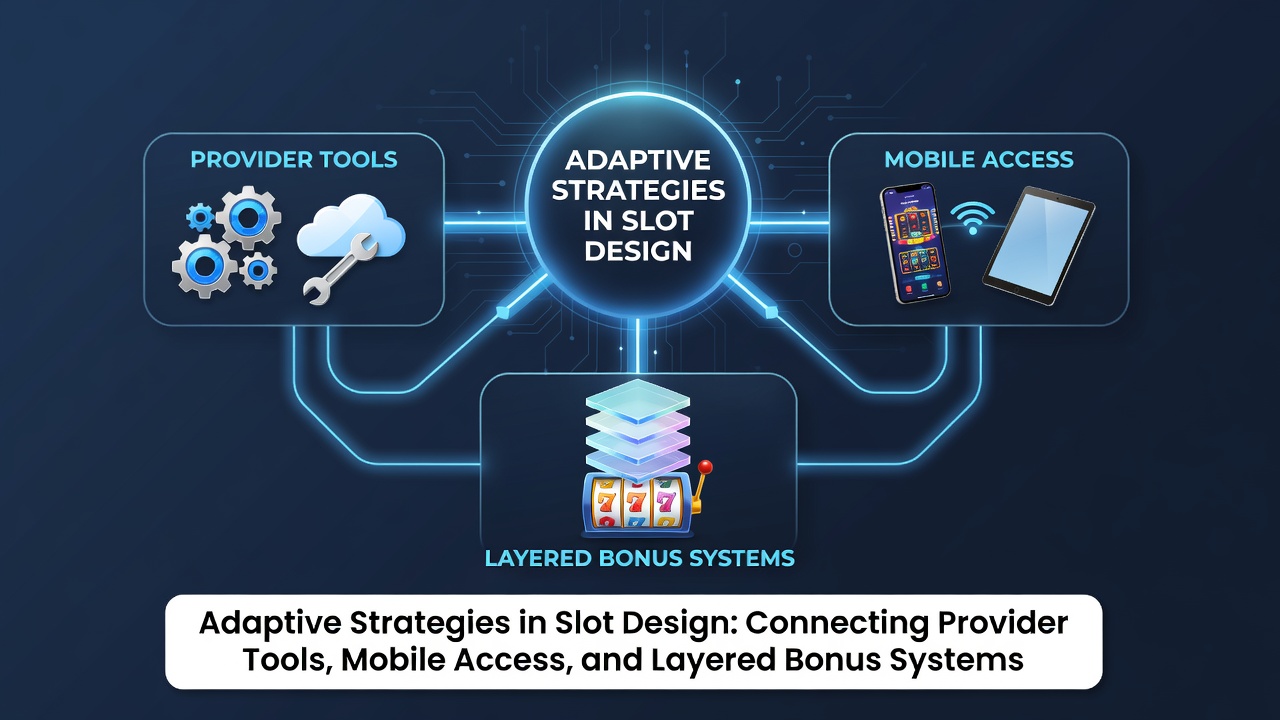
Slot design has evolved through coordinated adjustments in provider tools, mobile access features, and layered bonus systems that respond to user behavior patterns across platforms. Research from industry reports shows that providers integrate modular software components to allow real-time adjustments in game mechanics while maintaining compatibility with various mobile operating systems. Data from regulatory filings indicate that these adaptations support consistent performance metrics in both iOS and Android environments as of September 2026.
Provider Tools and Their Role in Design Flexibility
Software studios develop provider tools that include application programming interfaces and content management systems which enable rapid updates to reel configurations and payout algorithms. These tools connect directly to backend servers that track player session data, allowing designers to modify volatility settings without full game rebuilds. Observers note that such connectivity reduces deployment times from weeks to hours in many documented cases. Figures from technology vendors reveal that over 70 percent of major providers now deploy cloud-based toolkits to synchronize changes across multiple jurisdictions.
Mobile Access Integration
Mobile access requires slot interfaces to adapt screen layouts, touch controls, and data transmission rates for smaller devices while preserving core gameplay elements. Developers incorporate responsive design frameworks that scale graphics and animation speeds based on device capabilities, and studies from the Canadian Gaming Association document how these frameworks maintain frame rates above 60 per second on mid-range smartphones. Network latency handling becomes critical during peak usage periods, with providers implementing predictive caching that preloads bonus round assets to prevent interruptions. Regulatory bodies in Australia have recorded compliance rates exceeding 95 percent for mobile-specific testing protocols introduced in prior years.
Layered Bonus Systems and Their Mechanics
Layered bonus systems stack multiple reward tiers, including free spin multipliers, progressive jackpots, and loyalty-based cashback features within a single game title. These layers activate through distinct trigger conditions that providers calibrate using player segmentation data. Research indicates that such systems increase average session duration by connecting initial base game wins to higher-tier bonus opportunities. One documented approach involves cascading multipliers that build across successive spins, with backend algorithms adjusting probability weights to align with overall return-to-player targets set by licensing authorities.
Connecting the Three Elements
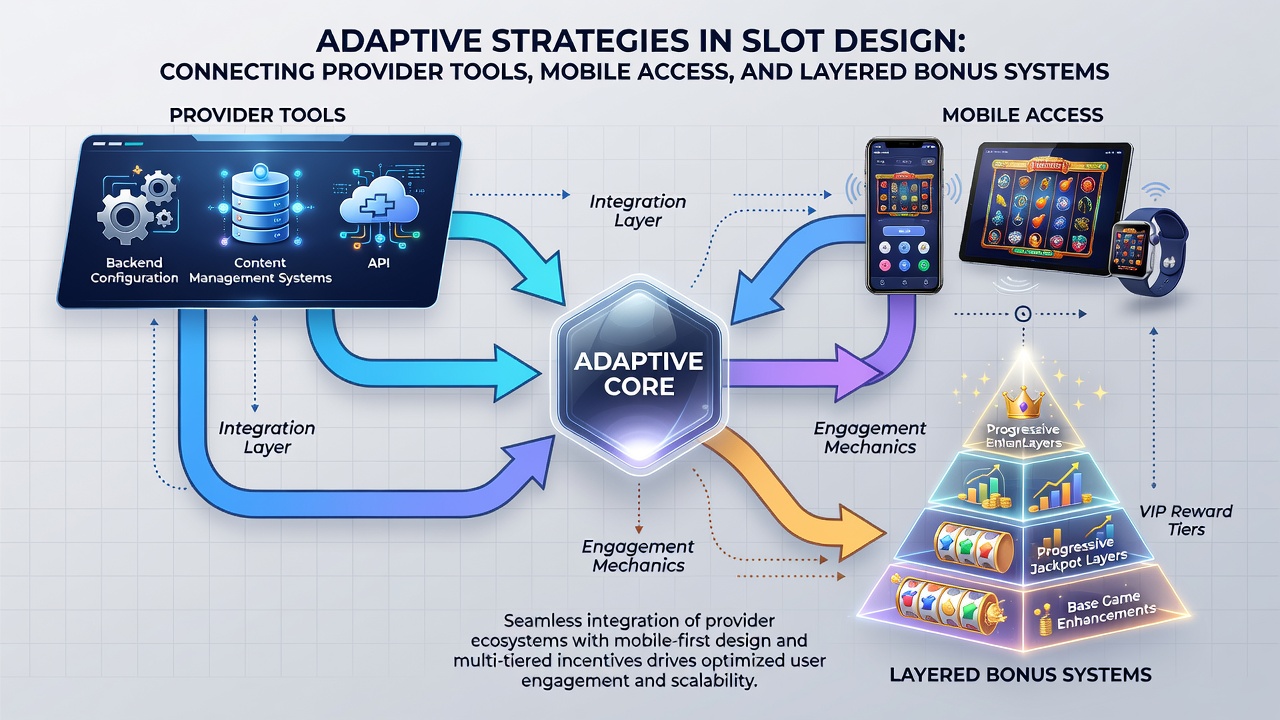
Integration occurs when provider tools feed mobile-specific performance metrics into bonus layer algorithms, creating feedback loops that refine reward distribution in real time. For instance, if mobile session data shows higher drop-off rates during complex bonus sequences, designers can simplify trigger conditions through the same toolset used for content updates. This connection ensures that layered bonuses remain accessible across device types without separate development branches. Reports compiled by the Malta Gaming Authority highlight how synchronized systems have supported consistent audit trails for bonus fairness across mobile and desktop deployments.
What's interesting is how these connections appear in practice through case examples from established studios. One provider adjusted its bonus layering after analyzing mobile heat maps that tracked tap frequency during free spin rounds, resulting in streamlined animations that load faster on variable network connections. Another instance involved linking location-based regulatory requirements directly into the provider dashboard so bonus availability toggles automatically based on user IP data. Such adaptations demonstrate the operational linkage without requiring manual intervention for each market.
Current Developments as of September 2026
Recent updates in September 2026 reflect continued refinement of these adaptive strategies, with several providers releasing updated toolkits that incorporate machine learning modules for predicting mobile user preferences in bonus structures. Industry associations report that adoption of unified data standards has improved cross-platform bonus synchronization, reducing discrepancies in reward delivery between devices. Evidence from technical white papers shows measurable gains in system uptime when mobile access protocols align more closely with layered bonus activation sequences.
Conclusion
Adaptive strategies in slot design rely on the practical interconnection of provider tools, mobile access capabilities, and layered bonus systems to support scalable game experiences. Data from multiple regulatory and industry sources confirm that these elements function together through shared data pipelines and modular software architecture. Continued alignment in these areas supports operational consistency across evolving device ecosystems and regulatory environments.