Tracing Digital Transaction Flows Into Multi-Game Reward Pools Through Provider Tools on Handheld Platforms
Mara Wagner · Oct 12, 2026
Tracing Digital Transaction Flows Into Multi-Game Reward Pools Through Provider Tools on Handheld Platforms
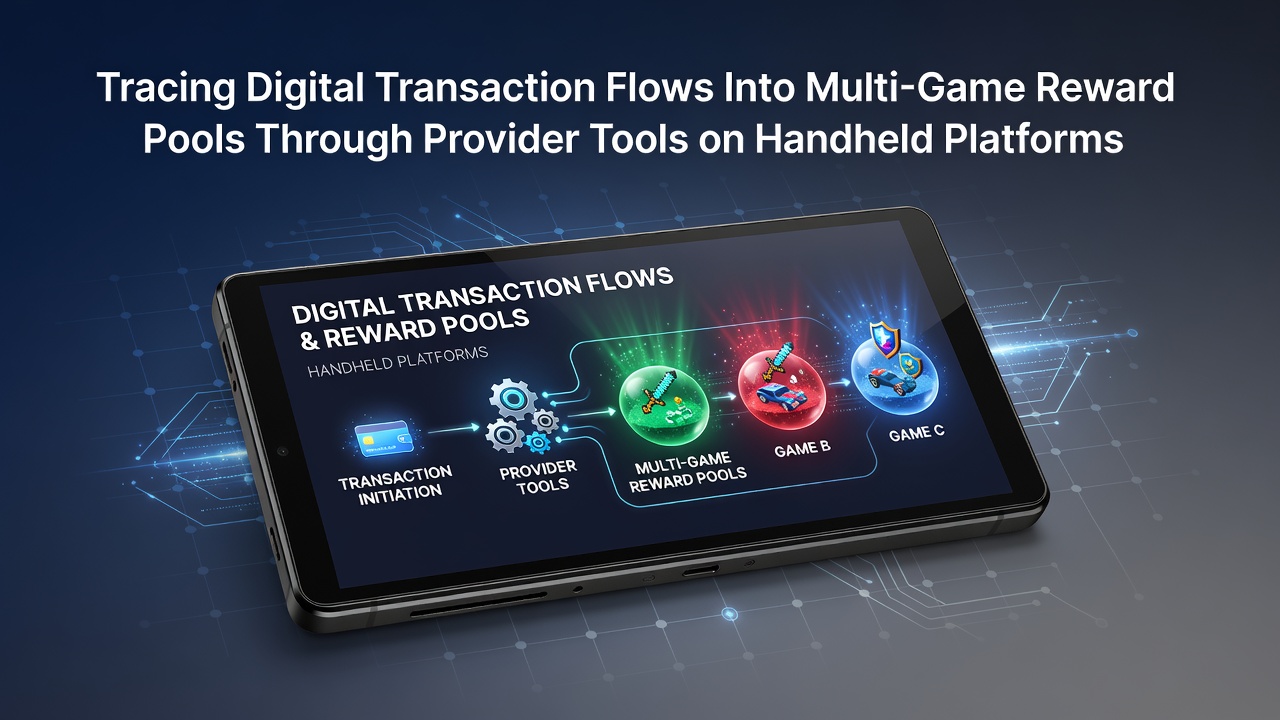
Digital transaction flows in handheld gaming environments follow structured pathways that route player contributions directly into multi-game reward pools, and provider tools manage these movements through integrated software layers that operate across mobile platforms. These systems record each deposit, wager allocation, and pool contribution in real time, which allows operators to maintain accurate ledgers while players access games on smartphones and tablets.
Core Mechanisms of Transaction Routing
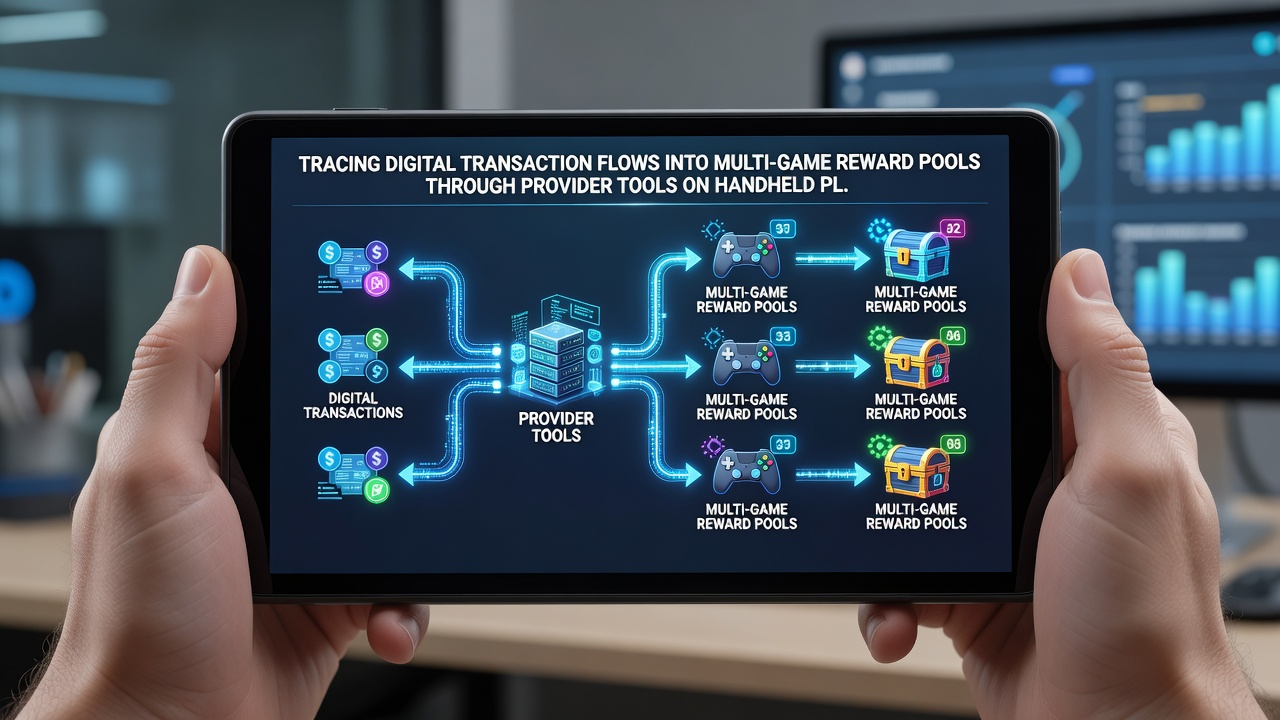
Provider tools handle the initial capture of funds at the point of deposit, then apply predefined rules to split amounts between game sessions and reward pool accounts. In October 2026 several major providers released updated modules that improved timestamp accuracy for transactions originating from handheld devices, and these changes reduced discrepancies between player balances and pool totals. Researchers who examined platform logs noted that the routing logic relies on API calls between the mobile client and central servers, where each call carries identifiers that link the transaction to specific game titles within a shared pool structure.
Handheld platforms introduce additional variables because network latency and device operating systems can affect the sequence of confirmation messages. Software studios address this by embedding reconciliation checks that run every few seconds, and these checks compare local device records against server-side entries before finalizing any transfer into the reward pool. Data from regulatory filings show that such checks have lowered error rates in multi-game environments where several titles feed into one accumulating prize structure.
Provider Tools and Their Role in Pool Management
Specialized software from game providers includes dashboards that display live transaction volumes moving into reward pools, along with filters that isolate activity by device type. Observers note that these dashboards highlight patterns such as higher contribution rates from tablet users during evening hours compared with smartphone sessions. The tools also support rule-based allocation, which means operators can adjust percentages directed to different pools without altering the underlying game code on the handheld side.
According to reports published by the Nevada Gaming Control Board, transaction tracing features became mandatory for certain license categories in 2025, and handheld platform operators responded by integrating the required logging modules. These modules record every micro-transaction, including small wagers that accumulate across multiple games, and store the data in formats that auditors can query efficiently. Industry associations have documented similar requirements emerging in other jurisdictions, which creates a need for standardized data formats that work across different mobile operating systems.
Challenges in Handheld Environments
Network variability on handheld devices creates occasional gaps in transaction records, yet provider tools now incorporate offline buffering that queues actions until connectivity returns. Studies conducted by academic groups at the University of Nevada have examined how these buffers affect pool integrity, and the findings indicate that properly implemented buffers preserve the correct order of contributions even when signals drop mid-session. European regulators have also examined these mechanisms through joint working groups, and their guidance emphasizes the importance of cryptographic signing for each queued record to prevent tampering during transmission delays.
Multi-game reward pools add complexity because a single transaction may need to be apportioned across several titles simultaneously. Provider tools use weighted algorithms that calculate each game’s share based on player activity metrics collected from the handheld interface. Those who have reviewed operational logs report that these calculations run server-side to avoid overloading mobile processors, which keeps the experience smooth for end users while maintaining precise pool balances.
Future Developments and Data Standards
Industry reports suggest that upcoming standards will require providers to expose more granular transaction metadata to regulators, including device-specific identifiers and session durations. The European Gaming and Betting Association has outlined proposed frameworks that would allow cross-border verification of pool contributions originating from handheld platforms. Implementation timelines point toward broader adoption by late 2027, which would build on the foundation established during the October 2026 software updates.
Conclusion
Tracing digital transaction flows into multi-game reward pools through provider tools on handheld platforms relies on coordinated software functions that capture, route, and reconcile contributions across mobile networks. Regulatory developments in multiple regions continue to shape the technical requirements, while provider updates in October 2026 demonstrated measurable improvements in accuracy. Observers continue to monitor how these systems evolve as handheld usage grows and new data standards emerge.